Do I Need Flood Insurance On Hilton Head or Bluffton If I’m Not on the Water?
If your home in Hilton Head Island or Bluffton isn’t located directly on the ocean, a river, or a marsh, it’s easy to assume flooding isn’t something you need to worry about. Many homeowners believe flood insurance is only necessary for waterfront properties.
In the Lowcountry, that assumption can be costly.
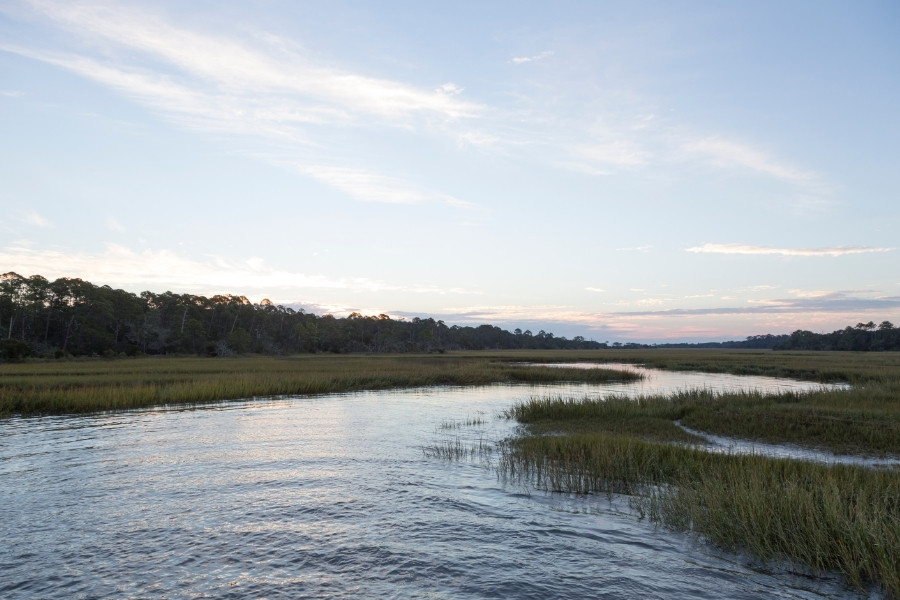
Flooding in coastal South Carolina doesn’t always come from the water you can see. Heavy rainfall, high tides, flat terrain, and drainage limitations can cause flooding well inland—sometimes miles from the nearest shoreline. Understanding why flooding happens here and how to reduce your risk is essential for protecting your home.
Why Flooding Happens Away From the Water in the Lowcountry
Hilton Head and Bluffton are built on low-lying coastal land with sandy soil and a high water table. While this landscape is beautiful, it creates unique challenges when it comes to managing rainwater.
During heavy storms, the ground can quickly become saturated. When rainfall outpaces the soil’s ability to absorb water—or when drainage systems can’t keep up—water has nowhere to go. It spreads across yards, streets, and eventually toward homes.
Flooding in inland neighborhoods is often caused by:
- Intense rainfall over a short period of time
- Tropical storms or slow-moving weather systems
- High tides that limit stormwater runoff
- Poor grading or drainage design
- Water collecting around foundations due to improper runoff control
In other words, you don’t need to live on the water for water to reach your home.
What “Not in a Flood Zone” Actually Means
Many homeowners rely on FEMA flood maps to judge their risk. If your home is outside a designated Special Flood Hazard Area, flood insurance usually isn’t required by your lender.
That designation, however, does not mean your home cannot flood.
Flood maps are designed to identify areas with a higher probability of flooding from specific sources, primarily large-scale events like river overflow or storm surge. They don’t account for every possible scenario—especially localized flooding caused by heavy rain, drainage failures, or water pooling around individual homes.
Being outside a mapped flood zone simply means flood insurance isn’t mandatory, not that the risk is zero.
What Homeowners Insurance Typically Does Not Cover
Another common misconception is that standard homeowners’ insurance will cover flood-related damage. In most cases, it does not.
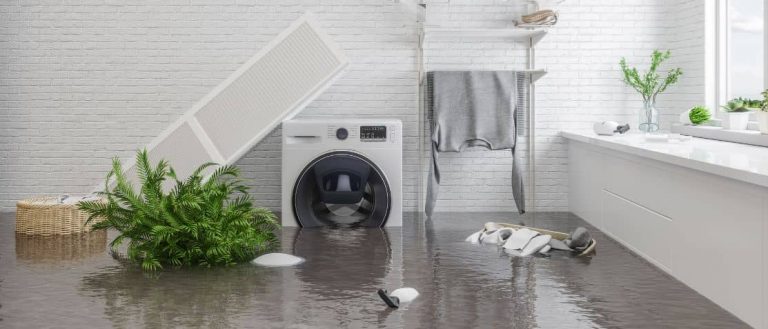
Damage caused by rising water or surface water—such as rainwater that pools around a home and enters through doors, foundations, or lower walls—is typically excluded. Without a separate flood insurance policy, repairs to flooring, drywall, electrical systems, and personal belongings may fall entirely on the homeowner.
This gap in coverage is why many homeowners choose flood insurance even when it isn’t required.
Why Water Control Around Your Home Matters
Insurance helps after damage occurs. Preventing water from reaching your home in the first place starts with proper water management.
Your gutter system plays a critical role in controlling where rainwater goes. When gutters and downspouts function properly, they move thousands of gallons of water away from your roofline and foundation during a storm.
When they don’t, water spills over the edge, saturates the soil near your home, and increases the risk of:
- Foundation damage
- Crawl space or slab moisture issues
- Erosion around the home
- Water intrusion during heavy rain
In a climate like Hilton Head and Bluffton’s, gutters aren’t optional—they’re a first line of defense.
Why Seamless Gutters Are Especially Important Here
The Lowcountry’s frequent rain events demand a gutter system that can handle volume efficiently. Seamless gutters are designed to reduce leaks, improve flow, and withstand heavy downpours better than sectional systems.
Properly sized seamless gutters, combined with correctly placed downspouts, help:
- Direct water away from the home instead of toward it
- Reduce pooling near foundations
- Protect landscaping and grading
- Support overall flood-risk reduction
Even homes that have never flooded can develop problems over time if water is allowed to collect repeatedly in the same areas.
Flood Risk, Home Value, and Long-Term Protection
Flooding doesn’t just affect repairs—it can impact long-term home value. Water damage, even when addressed, can raise red flags for future buyers and inspectors.
Taking a proactive approach by managing runoff, maintaining gutters, and understanding your flood exposure helps protect your investment. In coastal communities like Hilton Head and Bluffton, buyers are increasingly aware of water-related risks, and well-maintained drainage systems matter more than ever.
Making a Smart Decision for Your Home
So, do you need flood insurance if you’re not on the water?
For many Lowcountry homeowners, the answer depends on comfort with risk. Flooding can and does occur away from shorelines, and standard insurance doesn’t cover it. At the same time, taking steps to control water around your home—starting with a properly designed gutter system—can significantly reduce your exposure.
Understanding how water moves on your property, and making smart improvements before problems arise, is one of the best ways to protect your home in Hilton Head or Bluffton—no matter where it’s located.