Storm Damage Insurance Mistakes Lowcountry Homeowners Make
After a storm passes through the Lowcountry, the first walk around the house can feel overwhelming.
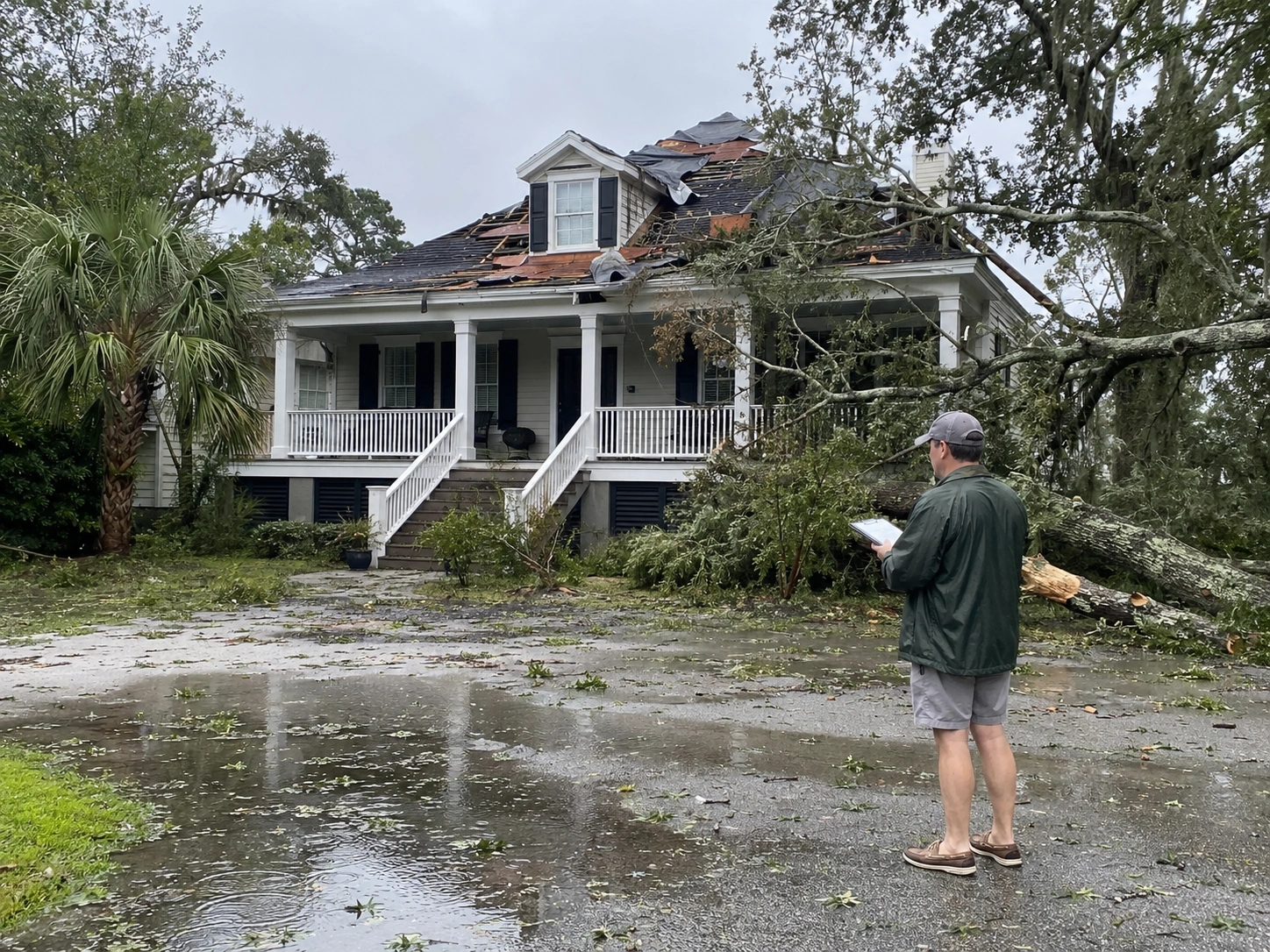
A few shingles may be missing. A tree limb may be resting on the roof. Water may be staining the ceiling. The crawl space may smell damp. In some neighborhoods, the damage is obvious from the street. In others, the real problems are hidden behind siding, under flooring, above attic insulation, or around rooflines where wind and rain found a weak point.
For homeowners in Hilton Head Island, Bluffton, Beaufort, Okatie, Daufuskie Island, and nearby coastal communities, storm damage is part of owning property near water, marsh, tidal creeks, tree canopies, and humid coastal air. The hard part is that the insurance process does not always feel as clear as the damage looks.
A homeowner may think they know what is covered, only to find out that wind, flood, roof damage, storm surge, and interior water damage can all be treated differently. A second home owner may not discover the issue right away. A condo owner may be unsure where the association’s responsibility ends and personal coverage begins.
That is why the first few decisions after storm damage matter. Ben Shelton, founder of Shelton Law Firm in Hilton Head Island, has observed that storm damage disputes often come down to the record a homeowner builds in the early stages. According to Shelton, homeowners who are best positioned in an insurance dispute are those who documented carefully from the start — photos, estimates, written communication, and a clear timeline of when each problem was first discovered.
Avoiding common mistakes can make the claim process clearer, better documented, and less stressful.
Mistake 1: Assuming Wind and Flood Damage Are the Same
One of the biggest insurance mistakes coastal homeowners make is assuming that all storm damage falls under one policy.
It usually does not.
Wind damage and flood damage are often handled differently. A homeowners policy may respond to certain types of wind related damage, such as shingles torn from a roof or rain entering through a storm damaged opening. Flood damage is usually separate and may require a flood insurance policy.
This distinction matters in the Lowcountry because storm damage rarely arrives in one neat category. A single storm can bring wind, heavy rain, rising water, drainage issues, falling trees, and roof leaks. The source of the damage can affect how the claim is reviewed.
Water entering through a damaged roof may be viewed differently than water rising from the ground and entering through doors, vents, a garage, or a crawl space. That difference can surprise homeowners who assumed water damage was simply water damage.
Mistake 2: Waiting Until a Storm Is Already Forming
Insurance planning works best when the weather is quiet.
Once a named storm is developing or moving toward the coast, homeowners may have limited options for changing coverage. Carriers may pause new policies, restrict changes, or apply waiting periods. Flood insurance can also have timing rules that make last minute decisions risky.
That is why Lowcountry homeowners should review coverage before hurricane season, not when a storm is already on the forecast. A good review should include more than a quick look at the premium. Homeowners should understand their wind coverage, flood coverage, storm deductible, roof terms, replacement cost limits, personal property coverage, and exclusions.
This is especially important for second homes, vacation rentals, condos, older homes, waterfront properties, and homes near marshes, lagoons, or tidal creeks. Coastal properties often carry risks that do not show up in the same way for inland homes.
Mistake 3: Not Understanding the Named Storm Deductible
Many homeowners know they have a deductible. Fewer understand that storm damage may involve a different deductible than an ordinary claim.
In coastal areas, policies may include a named storm or hurricane deductible. Instead of being a flat amount, it may be based on a percentage of the insured value of the home. That can make the homeowner’s responsibility much higher than expected.
This can create real frustration after a storm. A homeowner may file a claim expecting a familiar deductible, only to learn that the storm deductible changes the math. In some cases, the damage may not exceed the deductible at all, even though the repair still feels expensive.
That does not mean the coverage has no value. It means homeowners need to understand the numbers before they need to use them.
Mistake 4: Cleaning Up Before Taking Photos
After storm damage, the natural instinct is to start cleaning.
That instinct makes sense. Nobody wants wet flooring, soaked furniture, broken glass, fallen branches, or roof debris sitting around the house. But cleanup can erase important details before the homeowner has a chance to document them.
Before moving damaged items or beginning major repairs, homeowners should take clear photos and videos. Capture the big picture first, then the close details. Photograph roof damage from a safe location, water stains, damaged rooms, wet flooring, broken windows, fallen limbs, damaged siding, and any place where water may have entered the home.
Homeowners should also save receipts, contractor estimates, emergency repair invoices, inspection notes, text messages, emails, and written communication with the insurance company. If a phone call happens, write down the date, time, name of the person, and what was discussed.
The homeowner may remember what happened, but the claim file needs to show it clearly.
Mistake 5: Waiting Too Long To Make Temporary Repairs
Documenting the damage matters, but homeowners should not let the property continue to get worse.
Most policies expect reasonable steps to prevent additional damage. That may mean tarping a roof, boarding a broken window, drying wet areas, moving belongings out of standing water, or calling for emergency mitigation once it is safe to do so.
The key is balance. Document the damage first when possible, then take reasonable action to protect the home.
That balance is especially important in the Lowcountry. Heat and humidity can turn moisture into a bigger problem quickly. A small roof leak can become ceiling damage. Wet floors can lead to odor and mold concerns. A broken opening can allow more rain into the home during the next storm band.
Homeowners should never climb onto roofs, enter flooded areas, or handle electrical hazards during unsafe conditions. But once the danger has passed, preventing further damage is part of protecting the home and the claim.
Mistake 6: Hiring the First Contractor Who Shows Up
After major storms, contractors often move quickly through affected areas.
Some are reputable. Some are not. Homeowners should be careful with anyone who shows up uninvited, pushes for a fast signature, promises the insurance company will pay for everything, or offers a deal that sounds too easy.
Storm damage already creates pressure. A rushed contractor decision can add another problem.
Homeowners should ask for written estimates, confirm insurance, check local reputation, verify licensing when required, and understand every document before signing. They should be especially cautious about signing broad agreements they do not fully understand.
Local experience matters too. A contractor who understands coastal materials, roof systems, moisture issues, raised homes, condos, and storm recovery in the Lowcountry may be better prepared than someone who only appears after severe weather.
Mistake 7: Treating the First Claim Decision as Final
A low estimate or denial can feel final, but homeowners should not assume the conversation is over.
Insurance claims can involve missing information, incomplete inspections, unclear photos, policy misunderstandings, disagreement over the cause of damage, or questions about whether a problem was sudden or ongoing. Sometimes a homeowner needs a second estimate, more documentation, a clearer explanation, or a closer review of the policy language.
This is where organization matters. A claim is easier to discuss when the homeowner can show when the damage was discovered, what the property looked like, who inspected it, what repairs were recommended, and what the insurance company said in writing.
That is practical advice, not legal drama. When damage involves wind, water, roof issues, interior leaks, or disagreement over timing, clear records can help reduce confusion.
Mistake 8: Forgetting That Coastal Properties Need Different Insurance Conversations
A Lowcountry home is not just any home.
A house on Hilton Head Island, a condo near the beach, a marsh view property in Bluffton, a home near the May River, or a second home on Daufuskie Island may face different insurance questions than a property farther inland. Wind exposure, flood zones, roof age, elevation, rental use, replacement cost, association coverage, and access after a storm can all affect how a homeowner should think about protection.
This is especially true for condos and vacation rentals. A condo owner may need to understand what the association covers and what the unit owner is responsible for. A vacation rental owner may need to consider guest schedules, contents, liability, and repairs between bookings. A second home owner may need a plan for inspections when they are not in town.
The mistake is assuming one policy conversation covers every coastal situation. Insurance should match how the property is built, where it sits, and how it is used.
The Bottom Line for Lowcountry Homeowners
Storm damage is stressful enough without insurance surprises.
The biggest mistakes usually come from assumptions. Assuming flood is covered. Assuming a deductible is small. Assuming cleanup should happen before photos. Assuming a contractor can promise claim approval. Assuming the first insurance response is the final answer.
Lowcountry homeowners can protect themselves by reviewing coverage before hurricane season, documenting damage carefully, making reasonable temporary repairs, saving every record, asking clear questions, and working with professionals who understand coastal property risks.
Storms are part of life near the water. Confusion does not have to be.